
When VooDoo Casino first introduced its new Personal Hub, I was sceptical. Most casino dashboards are barely more than a cluttered lobby with a deposit button and a jumble of thumbnails you cannot rearrange. The Personal Hub promised a adjustable command centre based around my habits, preferences and the protections UK players have grown to expect. I have used it daily for weeks now, and what impressed me immediately was how much noise it eliminates. Instead of scrolling past a dozen game categories I never play, I reach a page that remembers I prefer low‑stakes blackjack tables, that I play mainly between 8pm and midnight, and that I want bonus wagering progress visible without digging through a separate promotions menu. The dashboard also positions safer gambling tools directly into the main view, a important step for anyone committed about their time and budget. The design feels less like a gimmick and more like a British operator finally acknowledging that UK players appreciate clarity and control over flashy distraction.
How I Set Up the Dashboard in Under Five Minutes
My first concern was that a personalized dashboard would require adjusting settings for thirty minutes, but the setup process caught me off guard. After accessing my VooDoo Casino account for the first time, the Hub displayed a small collection of preference cards. Instead of a extensive survey, it prompted me to choose five games I enjoyed from a picture grid, choose my preferred stake range and indicate whether I preferred promotional nudges or a quieter experience. I selected mid‑stakes and the calmer option because I dislike constant pop‑ups. From that moment, the dashboard started populating automatically. I also could to manually secure any game to the top row by selecting a small pushpin icon, which I performed for my preferred Evolution live roulette table. The whole process required under five minutes. I later realized that I could return to preferences under a discreet settings icon shaped like a wand, where I located sliders for notification frequency, game provider filters and deposit limit shortcuts. The short setup time is important because nobody desires to handle setup before having a few spins. VooDoo Casino clearly created this understanding that UK players prize efficiency and do not want to fight with a complex interface.
The reason UK Players Can Appreciate the Regional Touches
Across the Personal Hub, small localisation details accumulate into a real feeling that VooDoo Casino created this for a British market. All amounts and limits are displayed in GBP by default, and I didn’t ever needed to hunt for a currency toggle. The language is British English, down to terms like saved rather than marked as favorite and the usage of cheque instead of check in withdrawal contexts. Payment methods widely used in the UK appear first in the cashier: Visa, Mastercard, PayPal and bank transfer take the top spots, while less common options sit lower. Customer support works on UK time, and when I initiated a live chat one evening, the agent referenced my Hub layout and even suggested a responsible gambling adjustment based on my recent session time, a level of customisation I was not foreseeing. The dashboard also displays UK‑specific promotions, such as Premier League weekend free bet deals where relevant, and modifies its event calendar around British festivities. These elements are not game-changing on their own, but together they form a product that seems domestic rather than a global template awkwardly adapted for the UK market. For players fed up with casinos that treat Britain as an secondary concern, the focus to detail here is clear.
What the Personal Hub Really Is
I consider the Personal Hub as a living homepage that learns and evolves each session. It is not a static page but a smart aggregation system that pulls in the slots, table games, live dealer rooms and promotional offers I frequently play, while subtly removing what I don’t use. VooDoo Casino built it on player behaviour data, so the algorithm notices when I habitually bypass bingo rooms or Megaways slots and gradually deprioritises them. I can still locate everything through the search bar or the full lobby, but the Hub provides me with a curated snapshot. The top section always displays my three most‑played games, each with a small badge showing if there is an active promotion associated with that title. Below that I view a live tracker for any bonuses I’ve claimed, complete with a progress bar that shows how much I must still play through before a withdrawal becomes available. crunchbase.com For a British audience familiar with financial dashboards in banking apps, this setup seems immediately recognizable and comforting. It also shows my current balance, pending withdrawals and recent transaction history, all without requiring me to enter a separate cashier area. The Personal Hub is, in short, the antithesis of a one‑size‑fits‑all casino front page.
Real‑Time Notifications That Avoid Overload

During my first week with the Hub, I expected a flood of notifications pushing me to join this tournament or grab that free spins bundle. Rather, I discovered a measured notification system I could shape to my liking. The default setting provides only three kinds of alerts: a prompt when a saved game acquires a new seasonal version, a notification when a wagering requirement is approaching expiring and a weekly overview of my play activity. I later turned on a fourth type for live dealer table openings, because I often plan my evening around a specific roulette session and enjoy knowing when a seat becomes available. Every notification appears as a subtle bell icon in the top corner of the dashboard; clicking it shows a clean dropdown list. There are no full‑screen pop‑ups, no auto‑play videos with audio, and crucially no push notifications to my phone unless I explicitly opt in. The text of each alert is refreshingly plain, skipping the hyperbolic language that usually peppers casino marketing. For UK users who regularly dismiss promotional noise, this calibrated approach values attention and makes me far more likely to interact with the notifications I do receive.
Keeping tabs on Bonuses and Playthrough in Just One Place
Keeping track of multiple bonuses used to mean jumping between the promotions page, the cashier and a mental tally of wagering progress. The Personal Hub consolidates all that into a focused bonus tracker panel on the right side of the desktop view, and as a collapsible card on mobile. The moment I take a deposit match or free spins offer, it shows up there with a circular progress ring. I can see exactly how much of the wagering requirement is outstanding, which games contribute what percentage and when the offer runs out. For UK players weary of opaque terms, this transparency is a welcome change. The panel also distinguishes cash balance from bonus balance with a hard line, so there is not any confusion about which funds I am playing with. A minor but significant detail I spotted: as I approach completing a wagering requirement, the tracker transitions from grey to a soft green, a visual nudge that stops me from accidentally giving up a nearly completed bonus. The system records every qualifying bet in real time, so I am never left wondering whether a round of blackjack counted fully or only partially toward the playthrough. That kind of clarity spares me from having to contact customer support for trivial checks.
How the Hub Works on Mobile versus Desktop
I divide my play fairly evenly between a laptop at home and a smartphone during my commute, https://www.wikidata.org/wiki/Q131273710 so multi-device performance matters a significant amount to me. On desktop, the Personal Hub expands into a triple-column format that uses screen real estate well without feeling overcrowded. The game feed is centered, the bonus tracker occupies the right rail and a narrow shortcuts column on the left gives one‑click access to deposits, withdrawals and support. Everything reacts immediately, and I have yet to come across a loading hitch. On mobile, the Hub adjusts intelligently. The three-column display collapses into a single scrollable stream, with the most important elements, like my pinned games and active bonus tracker, fixed at the top. Sliding left and right through game categories feels natural, and the touch targets are adequately sized that I rarely mis‑tap. Both versions synchronise without any fuss; a game I pin on desktop is visible on my phone within seconds. Battery drain and data usage have been insignificant in my testing, which implies the development team optimised the Hub rather than using it as a resource‑heavy add‑on. The mobile experience feels built for how UK players typically use casino sites, during train journeys, lunch breaks and short windows of downtime.
What I Would Still Refine Following a Month of Use
After an entire month depending on the Personal Hub as my main entry point to VooDoo Casino, I have formed a balanced view. The dashboard delivers on its core promise of minimizing clutter and putting the games and tools I actually use within direct reach. My evenings are now spent playing rather than navigating. Still, I have a few useful suggestions. First, I would like to see the capability to create multiple custom profiles within the same account, so I could switch between a high‑stakes weekend layout and a low‑stakes weekday one without manually toggling settings each time. Second, while the game feed picks up my preferences quickly, I occasionally want to restart the learning algorithm entirely without changing my pinned games, and a simple reset button would be appreciated. Third, broadening the bonus tracker to show historical completion data over the past month would help me plan future deposits more intelligently. None of these are dealbreakers, and the fact that my wishlist is so limited speaks to how well the Hub already works.
- A multi‑profile switcher would let me divide casual and serious sessions effortlessly.
- A simple algorithm reset button would give me a clean slate when my tastes change.
- Historical wagering charts would introduce a strategic layer to bonus planning.
- Dark mode scheduling tied to UK sunset times would be a thoughtful finishing touch.
Accountable Gaming Controls Built-In Immediately
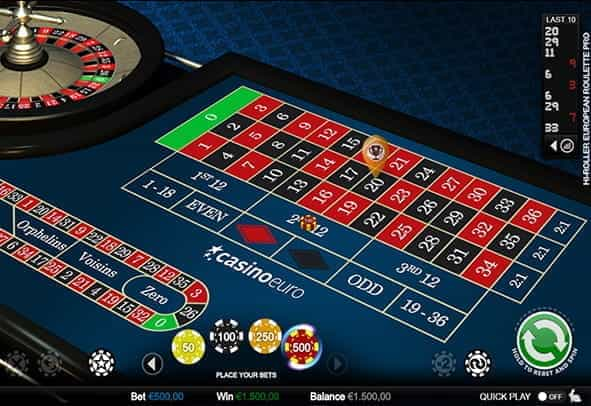
What elevates the Personal Hub beyond a mere convenience tool lies in how it incorporates safer gambling controls without tucking them in a separate account settings page. The dashboard contains a panel I can access at any time to view my session timer, net deposit total for the week and a quick‑glance reality check prompt that appears as a gentle notification rather than an intrusive overlay. If I have established a deposit limit, the remaining available amount is shown as a thin coloured bar beneath my balance. When the bar changes to amber, I know I am approaching my boundary without needing to perform mental arithmetic. I also adjusted a five‑second spin cooldown on slots through the same panel, which seems small but makes a tangible difference in maintaining a comfortable pace. For anyone who seeks stronger tools, the Hub delivers one‑tap access to time‑out and self‑exclusion options, and the responsible gambling section links directly to GamCare and the National Gambling Helpline. Voodoo Casino Live Roulette has clearly taken into account UK Gambling Commission expectations here, but the implementation seems driven by genuine user need instead of regulatory box‑ticking. The controls are present, useful and never tucked away behind menus I would not think to open mid‑session.
Customizing the Game Feed to My Mood
One of the most practical features is the mood‑based feed toggles. Right beneath the main game row, three tabs enable me to switch between a chill session view, a high-intensity view and a find view. On weeknights after work I usually tap relaxed, which surfaces low‑volatility slots, virtual baccarat and casual scratchcards. The high‑energy view works the other way, pushing jackpot slots, speed roulette and game shows like Crazy Time to the foreground. The discovery tab functions as a personalised recommendation engine, recommending new releases based on my play history but always mixing in one or two wildcards from studios I have not tried yet. I find this far more useful than a generic new‑games carousel that treats every player identically. I also enjoy that the game tiles carry UK‑specific information at a glance: RTP percentages displayed in the corner and a small flag icon if a game is exclusive to the UK market or configured for GBP play. The feed rarely seems static because it updates every time I log in, learning from my most recent behaviour while giving me manual control over what appears.
How the Personal Hub Signals a Broader Shift
Stepping back, the Personal Hub reflects something larger happening across the UK’s regulated online casino sector. Operators are finally shifting from pure acquisition‑focused design and commencing to invest in retention through genuine usability. For years, British players have got used to casino sites that look impressive on a first visit but quickly become tiresome to navigate during the fiftieth visit. The Hub model reverses that logic by becoming more useful the longer you use it. I think we will see more personalised dashboards showing up from rival brands within the next eighteen months because players now expect it. VooDoo Casino’s early move offers it an advantage, but the real winner is the UK player who benefits from interfaces that treat them as individuals rather than generic traffic. When I look at my dashboard today, I see a tool that saves me time, keeps me aware of my spending and makes my limited leisure hours more enjoyable. That is what a modern casino experience should deliver, and I suspect many UK players will reach the same conclusion after a week of using the Personal Hub.
- Personalised dashboards reduce decision fatigue during short play windows.
- Transparent wagering progress decreases the need for customer support contact.
- Integrated safer gambling tools turn passive policy into active daily practice.
- UK‑focused localisation renders the experience feel domestic, not imported.
- Retention‑first design harmonises operator incentives with long‑term player satisfaction.