
Rome’s hidden gems offer a crowd-free, authentic way to explore the Eternal City. This guide highlights unique places to visit, including some of the best non-touristy attractions in Rome.
You’ll find simple ways to explore Rome without the crowds, with ideas that fit any Italy trip.
Expect tips on the best time to visit, where locals eat, and places most tourists never see.
From quiet viewpoints to ancient sites, this guide shows how to get off the beaten path in Rome with ease.
Discovering Hidden Gems in Rome
Want to Discover Rome’s Hidden Gems?
Rome off the beaten path rewards curious travelers beyond the Colosseum and Vatican City, offering a glimpse into life in Rome. The city holds layers from ancient Rome to quiet neighborhood lanes. This section maps the best hidden gems in Rome, from a peaceful villa garden to the Baths of Caracalla at dusk. We focus on a practical approach to exploration, offering ideas that are free to visit and easily accessible. Use this as your starting point for a trip to Rome that feels fresh, personal, and truly worth visiting.
Overview of the Eternal City
Balancing Iconic Sites with Hidden Wonders
The Eternal City blends grand icons with small wonders, showcasing the best sights in Rome. Stand at St. Peter’s Basilica in the morning, then cross to a calm side of Rome by noon. Many things to see sit near busy routes yet stay overlooked. A local guide helps frame ancient stories while you wander streets where locals eat. Plan a few days to balance highlights with hidden gems for richer views and better time use. Explore the real hidden attractions of Rome.
What Makes a Hidden Gem in Rome?
How Do You Spot a True Hidden Gem?
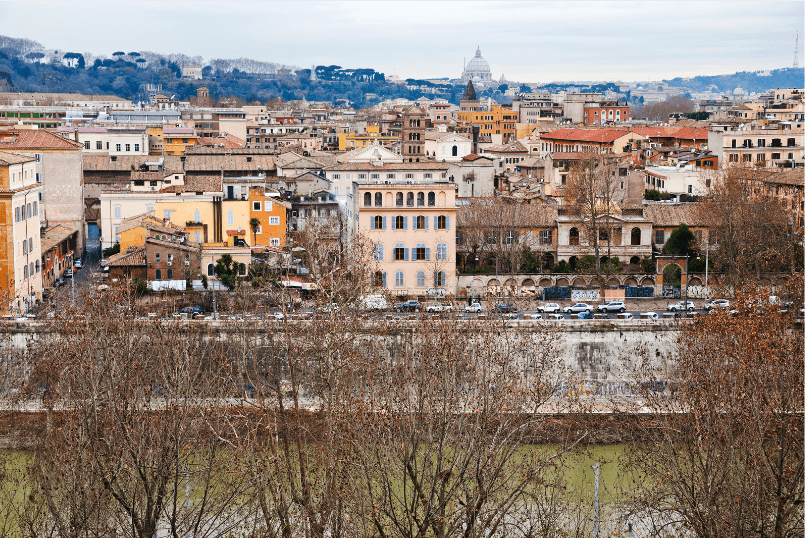
A true hidden gem is authentic, easy to reach, often free, and just off the main routes. It might be a unique courtyard, a quiet spot with a perfect view, or an archaeological site where you wander without crowds. Think the Knights of Malta keyhole on Aventine Hill, or a shaded lane near the Baths of Caracalla. These places feel authentic, are often free to visit, and sit just off the beaten track in Rome.
Importance of Exploring Off the Beaten Path
Why Go Off the Beaten Path in Rome?
Going off the beaten path brings calm, saves time, and reveals quiet beauty. You see a different side of Rome that tourists never see. Visiting a villa garden or the Aventine Hill gives space, light, and the best views for photos. This approach fits any visit, whether a weekend or longer. It saves time, cuts stress, and reveals one of Rome’s hidden benefits: quiet beauty in plain sight.
Top Hidden Gems to Visit in Rome
How to Find Quiet Corners in Rome
Use nearby, low-crowd sites to balance Rome’s major icons and enrich your itinerary. These hidden gems reward travelers who crave quiet corners and rich stories. Each pick fits a smart way to explore Rome off the beaten path, adds value to your time, and turns a simple walk into one of the most unique days in Rome.
Villa Doria Pamphili: A Peaceful Retreat
Why Visit This Serene Green Escape?
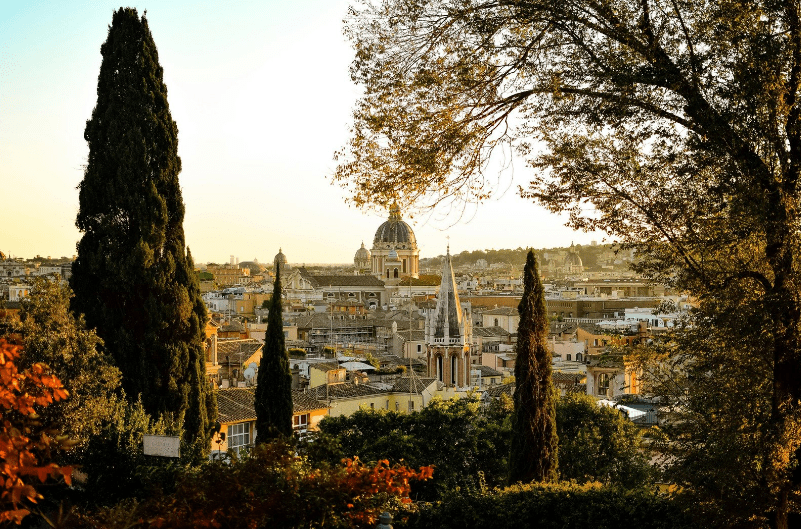
Villa Doria Pamphili is a vast, free-to-visit green escape ideal at sunset. The villa park spreads across the Gianicolo area, with pine shade, fountains, and long lanes without crowds. It is free to visit and ideal for a picnic where locals eat. You can run, cycle, or stroll past baroque gardens and find a quiet spot for a serene city view. Plan your visit near sunset for soft light.

Aventine Hill: Scenic Views and Tranquility
What Makes Aventine Hill a Secret Gem?
The Aventine keyhole and orange garden deliver iconic views without crowds. Start at the orange garden, then look through the famous Knights of Malta keyhole for a framed view of St. Peter’s Basilica. Wander past quiet churches and small squares where time slows. An audio guide can enrich the walk with ancient Rome tales. Visit early morning or at dusk to enjoy unusual sights without the crowds.
Baths of Caracalla: An Ancient Wonder
Why Explore the Baths of Caracalla?
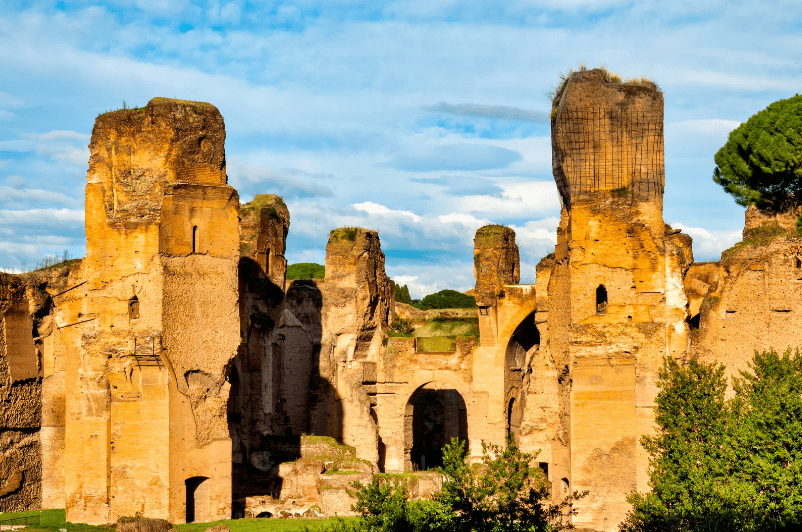
Caracalla’s Baths offer vast ruins, space to reflect, and low-crowd exploration. Massive brick halls and mosaics show daily life in ancient Rome. Explore with a local guide to picture pools, gyms, and gardens that once filled this part of Rome. Choose late afternoon for soft light on the ruins.
Unique Things to Do in Rome
How to Blend Famous and Hidden Sites
Blend icons with quiet lanes and standout views for a balanced day. Start your quest with a plan that mixes the Eternal City icons and off-the-beaten-path sites. Hire a local guide to add context from ancient Rome while exploring at your own pace. This saves time and keeps you away from the crowds.

Exploring Non-Touristy Things in Local Areas
Where Can You Experience Everyday Rome?
Head to Testaccio, Garbatella, and Monteverde for everyday Rome without the crowds. Walk past markets, pocket parks, and quiet streets.
Many spots are free and show daily life.
For easy moves between areas, a pre-booked taxi can save time and stress.
Where Locals Eat: Hidden Culinary Spots
Which Backstreet Trattorie Should You Try?
Follow locals to backstreet trattorie and markets for authentic, budget-friendly meals. In Trastevere, tiny trattorie serve fresh pasta without crowds. In Testaccio, bakeries offer Roman classics at fair prices. These hidden gems enhance any Italy travel itinerary.
These local spots add real flavor to any Italy travel plan.
Trastevere
- Da Enzo al 29
Fresh pasta in a small, local setting away from main tourist streets. - Taverna Trilussa
Classic Roman pasta served in a quiet, traditional space.
Testaccio
- Flavio al Velavevodetto
Hearty Roman dishes near Monte dei Cocci, popular with locals. - Da Felice a Testaccio
A long-time local favorite for true Roman comfort food.
Discovering the Knights of Malta Keyhole

When Is the Best Time to Visit the Keyhole?
The keyhole frames St. Peter’s Basilica perfectly—arrive early or at sunset. Pair it with the orange garden for a wider view. Both are free to visit and easy to add to a day that includes other archaeological sites.
Unusual Things to See Without the Crowds
How to Plan Quiet Routes in Rome
Choose slow routes and free, close-by sights. Plan a route through quiet lanes, a villa garden, and one sharp city view. Use an audio guide to add stories from ancient Rome while exploring at your own pace.

Exploring the Beaten Track in Rome
What Classic Routes Lead to Hidden Gems?
Walk the Appian Way, then detour to find calm, scenery, and history. Step into shaded lanes, pass small archaeological sites, and enjoy clear city views. Bring water and comfortable shoes.
Art and Culture: Lesser-Known Museums
Which Small Museums Offer Big Stories?
Visit small museums in villas and studios for quiet, affordable depth. Seek mosaics, marble workshops, or galleries near Aventine Hill. Tickets are fair, and rooms stay quiet. Many offer audio guides explaining ancient craft and faith.
Secret Churches and Chapels
How to Find Quiet Chapels in Rome?
Some of the best hidden gems are secret chapels tucked on quiet streets. Slip into a small nave with faded frescoes and gentle city views. Dress respectfully and keep your voice low. Early morning is best for quiet visits.
Conclusion: Embracing Rome’s Hidden Gems
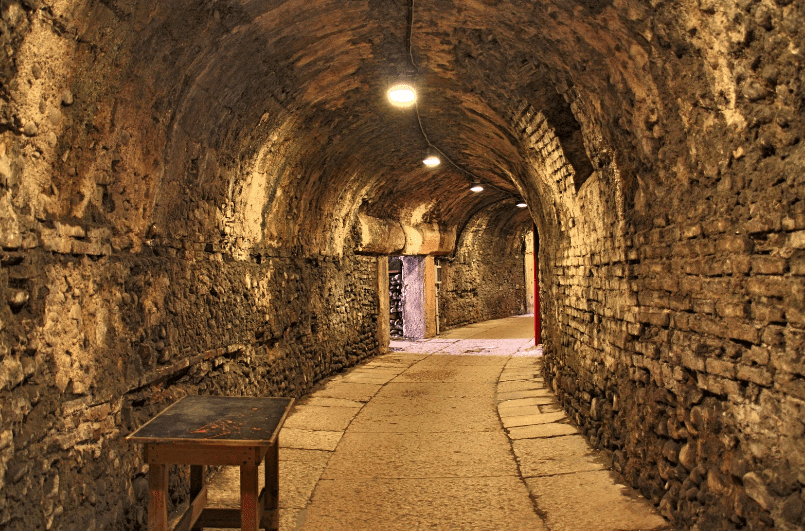
Explore Rome beyond the usual tourist spots to uncover quiet streets, secret chapels, and stunning views. Balance iconic attractions like the Colosseum or St. Peter’s Basilica with hidden gems such as the Aventine Hill keyhole, Villa Doria Pamphili, and the Baths of Caracalla. Move at a relaxed pace, follow local routes, and use useful tools like online maps and audio guides to enrich your experience.
Plan your days smartly: combine one classic sight, one hidden gem, and one local food stop per day. Check opening hours, book tickets for busy highlights, and use public transit or book a taxi to reach quieter areas quickly. Visit early mornings or at sunset for the best light and fewer crowds.
By mixing well-known attractions with quiet corners, you’ll see Rome from a new perspective—calm, authentic, and full of surprises. This approach makes your visit personal, stress-free, and unforgettable, letting you experience the Eternal City like a local.
- What are the best hidden gems in Rome to visit?
Rome’s hidden gems include quiet piazzas, secret gardens, and little-known churches. Places like Villa Farnesina and Basilica di San Clemente offer unique experiences away from crowds. These hidden gems in Rome show the city’s history, art, and charm without the tourist rush. Exploring them lets you see a side of Rome most travelers miss. - Where can I find hidden gems in Rome for photography?
For photography, hidden gems in Rome include streets in Trastevere, Janiculum Hill, and Villa Borghese gardens. They offer vibrant colors, ancient architecture, and peaceful views. These spots capture authentic Rome without crowds, perfect for scenic photos. Walking through these areas helps you discover unique angles of Rome’s beauty. - Which hidden gems in Rome are best for history lovers?
History lovers enjoy hidden gems in Rome like Basilica di San Clemente, Palazzo Altemps, and the Aventine Keyhole. These sites reveal layers of Roman history and rare artifacts. Exploring them offers stories about ancient Rome, Renaissance art, and secret passages most tourists miss. - What are family-friendly hidden gems in Rome?
Family-friendly hidden gems in Rome include Orto Botanico, Explora Children’s Museum, and Villa Torlonia. These places are fun and educational, giving kids room to explore safely. Visiting these hidden gems in Rome provides engaging experiences beyond crowded landmarks, keeping children interested. - Are there hidden gems in Rome that are free to visit?
Yes, hidden gems in Rome that are free include Piazza Navona at dawn, Aventine Hill gardens, and the Orange Garden. These spots are quiet, scenic, and rich in history. Exploring free hidden gems in Rome helps travelers enjoy the city without spending money. - Which hidden gems in Rome offer unique local food experiences?
Hidden gems in Rome for food lovers include Testaccio market, Trastevere trattorias, and Monti neighborhood cafes. These places serve authentic Roman dishes like cacio e pepe or supplì. Visiting these hidden gems in Rome lets you taste local flavors off the main tourist path. - Can I visit hidden gems in Rome at night safely?
Yes, some hidden gems in Rome are safe at night, like Piazza Navona, Campo de’ Fiori, and Villa Borghese gardens. Night visits offer a quieter view of monuments and cozy streets. Exploring hidden gems in Rome at night gives a magical, peaceful city experience. - What hidden gems in Rome show art besides museums?
Hidden gems in Rome for art include Villa Farnesina, Basilica di Santa Prassede, and street murals in Ostiense. They feature frescoes, sculptures, and unique public art. Visiting these hidden gems in Rome gives an art-filled experience outside crowded museums. - Where are the romantic hidden gems in Rome?
Romantic hidden gems in Rome include Giardino degli Aranci, Ponte Sisto at sunset, and Trastevere alleyways. These spots offer quiet views, charming streets, and a cozy atmosphere. Exploring hidden gems in Rome makes for a memorable romantic stroll. - How do I find hidden gems in Rome off the beaten path?
Look for neighborhoods like Trastevere, Monti, and Testaccio. Check small churches, gardens, and local markets. Hidden gems in Rome often appear near famous landmarks but are overlooked. Walking, talking to locals, and exploring side streets helps discover these unique spots. - Are there hidden gems in Rome for ancient ruins?
Yes, hidden gems in Rome with ancient ruins include Largo di Torre Argentina, Forum Boarium, and Baths of Caracalla. These sites show Rome’s history without large crowds. Visiting hidden gems in Rome for ruins offers a peaceful, educational experience. - Which hidden gems in Rome are great for walking tours?
Hidden gems in Rome for walking tours include Trastevere alleys, Aventine Hill, and Janiculum Hill paths. Walking lets you explore gardens, fountains, and quiet streets. Discovering hidden gems in Rome on foot gives a slow, immersive experience. - What hidden gems in Rome have the best views?
The best views are found at Janiculum Hill, Pincio Terrace, and the Orange Garden. These hidden gems in Rome offer panoramic cityscapes, sunset spots, and photo opportunities. Visiting them rewards you with peaceful, breathtaking perspectives of Rome. - Are there hidden gems in Rome for shopping for local crafts?
Yes, hidden gems in Rome for local crafts include Campo de’ Fiori market, Via Margutta artisan shops, and Porta Portese flea market. These spots offer handmade items and unique souvenirs. Exploring hidden gems in Rome for crafts supports local artists and avoids tourist shops. - Which hidden gems in Rome are ideal for solo travelers?
Solo travelers enjoy hidden gems in Rome like Villa Borghese gardens, Monti streets, and small churches in Trastevere. These areas are quiet, safe, and easy to explore alone. Visiting hidden gems in Rome lets solo travelers experience calm, authentic neighborhoods. - What hidden gems in Rome can I visit in one day?
In one day, explore Trastevere alleys, Aventine Hill, and Basilica di San Clemente. These hidden gems in Rome are close to each other and show history, art, and local life. A one-day hidden gems tour gives a rich, uncrowded experience. - Where can I find hidden gems in Rome with nature?
Nature lovers can visit Villa Doria Pamphili, Orange Garden, and Orto Botanico. These hidden gems in Rome offer peaceful gardens, scenic paths, and quiet spots. Exploring nature in Rome, away from tourist hubs, gives calm and beauty. - Are there hidden gems in Rome for religious sites?
Yes, hidden gems in Rome include Basilica di San Clemente, Santa Prassede, and Santa Maria in Trastevere. These sites show unique architecture, mosaics, and sacred history. Visiting hidden gems in Rome for religious sites offers a spiritual, quiet experience. - Which hidden gems in Rome are best for architecture lovers?
Architecture lovers enjoy Villa Farnesina, Palazzo Altemps, and Ara Pacis. These hidden gems in Rome showcase Renaissance, Baroque, and ancient styles. Exploring these sites reveals design details missed at crowded landmarks. - Can I combine popular sights with hidden gems in Rome?
Yes, combine landmarks like the Colosseum with nearby hidden gems like Aventine Hill and Basilica di San Clemente. This way, you see famous sites and secret spots. Visiting hidden gems in Rome alongside main attractions enriches your trip experience.



Your breakdown of the topic is so well thought out.
Thank you for making this topic less intimidating.
This post cleared up so many questions for me.
Thank you for putting this in a way that anyone can understand.
Thanks for sharing your knowledge. This added a lot of value to my day.
What an engaging read! You kept me hooked from start to finish.
I always look forward to your posts. Keep it coming!
Pretty! This has been a really wonderful post. Many thanks for providing these details.
What an engaging read! You kept me hooked from start to finish.