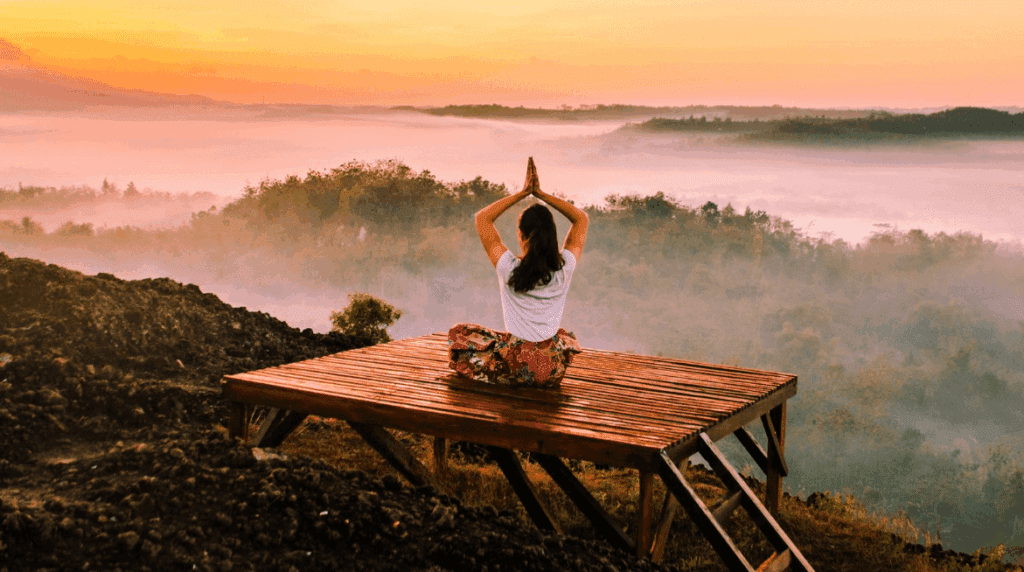
Introduction: Finding Peace at Meditation Retreats in India
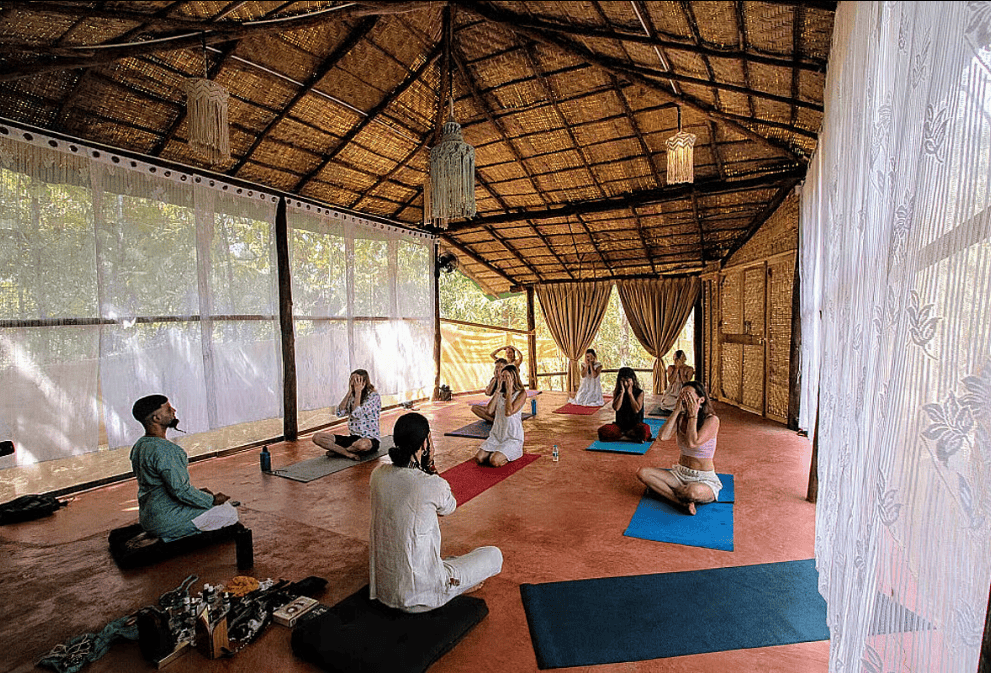
Meditation retreats in India have long drawn people from around the globe looking for peace, guidance, and renewal. Whether you are burned out by work, looking for a deeper purpose, or simply want some time away from screens and noise, India offers a safe space to slow down and breathe. It’s not just about sitting cross-legged or chanting. The country’s retreats blend timeless practices, gentle wisdom, and natural beauty. Here, tradition meets comfort in ways that welcome both first-timers and lifelong seekers.
Why India is the Spiritual Hub for Meditation Seekers
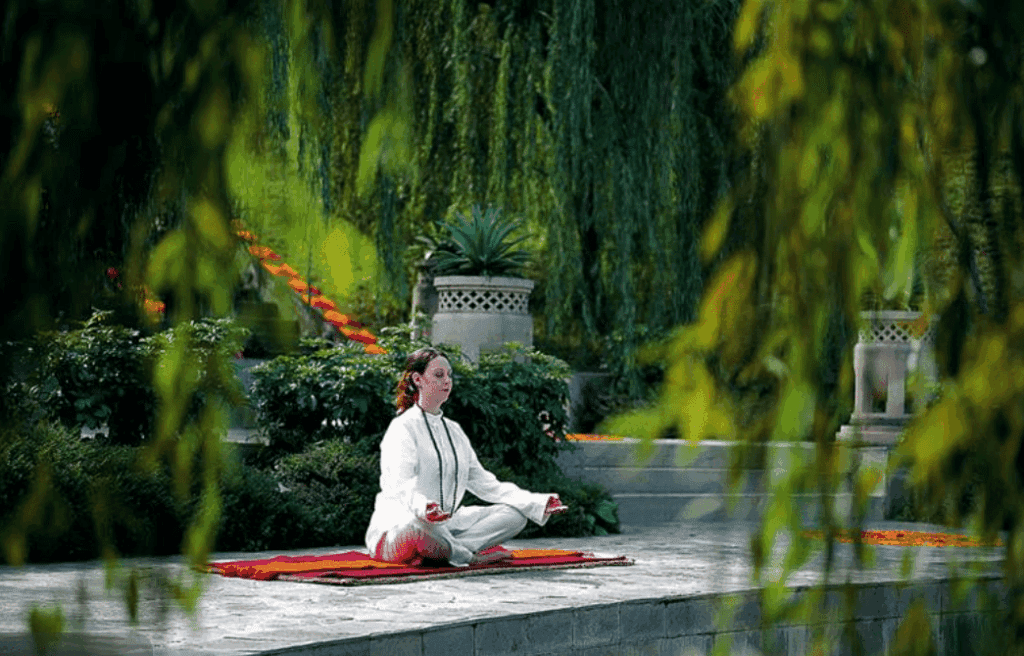
India is often called the heartland of spirituality. The roots of meditation reach deep into the soil of this diverse country. For thousands of years, it has been a place where spiritual teachers like Gautama Buddha, Sri Ramana Maharshi, and Swami Sivananda lived, taught, and inspired. The sacred rivers, expansive forests, and misty mountains have shaped India’s spiritual heritage.
People come to India to learn directly from the source. From northern temples in Varanasi to southern ashrams in Tamil Nadu, India holds a unique energy. Retreat centers in Rishikesh, Pune, and Bodh Gaya draw crowds, but there’s something humble and honest about the experience in India. The scent of sandalwood, the sound of mantras, and the rhythms of daily prayers stir something deep within.
The Ancient Tradition: History of Meditation Retreat Centers in India
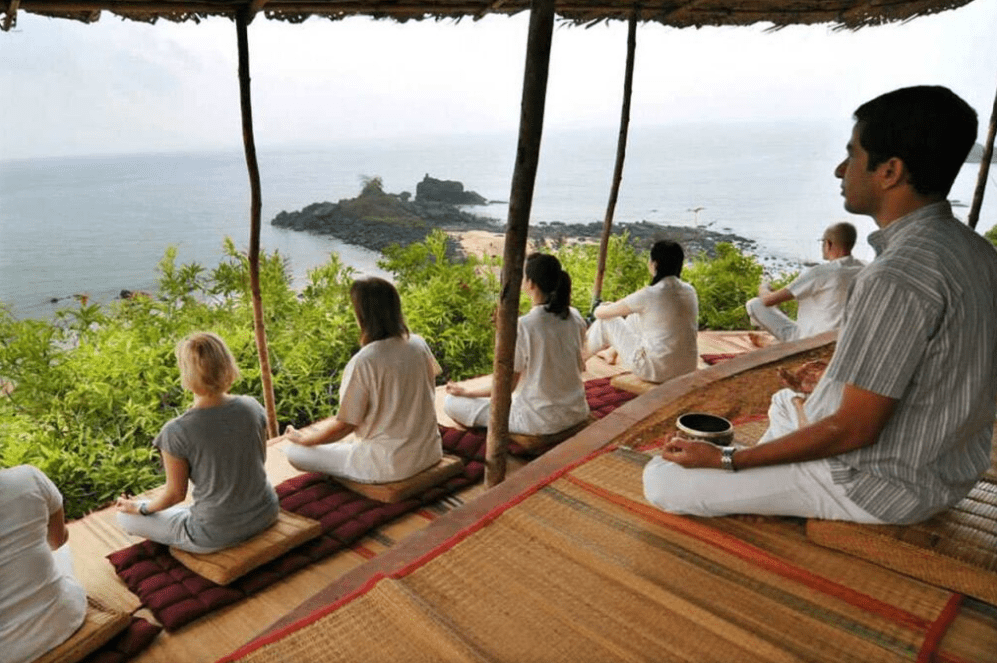
Meditation centers are nothing new in India. Ancient sages, called rishis, were the world’s first “retreat leaders.” They lived in forest hermitages called ashrams, where students gathered to learn through silence, storytelling, and practice. Over time, these ashrams grew into organized centers. Many famous ones, like Parmarth Niketan in Rishikesh and the Osho International Meditation Resort in Pune, still thrive today.
In the 20th century, legendary gurus brought meditation to the West, but India remained a home for deeper immersion. Yoga masters like Maharishi Mahesh Yogi hosted the Beatles at his ashram, introducing millions to transcendental meditation. Buddhist centers in Bodh Gaya date back to ancient times, marking the spot where Buddha found enlightenment.
Types of Meditation Practices to Experience in India
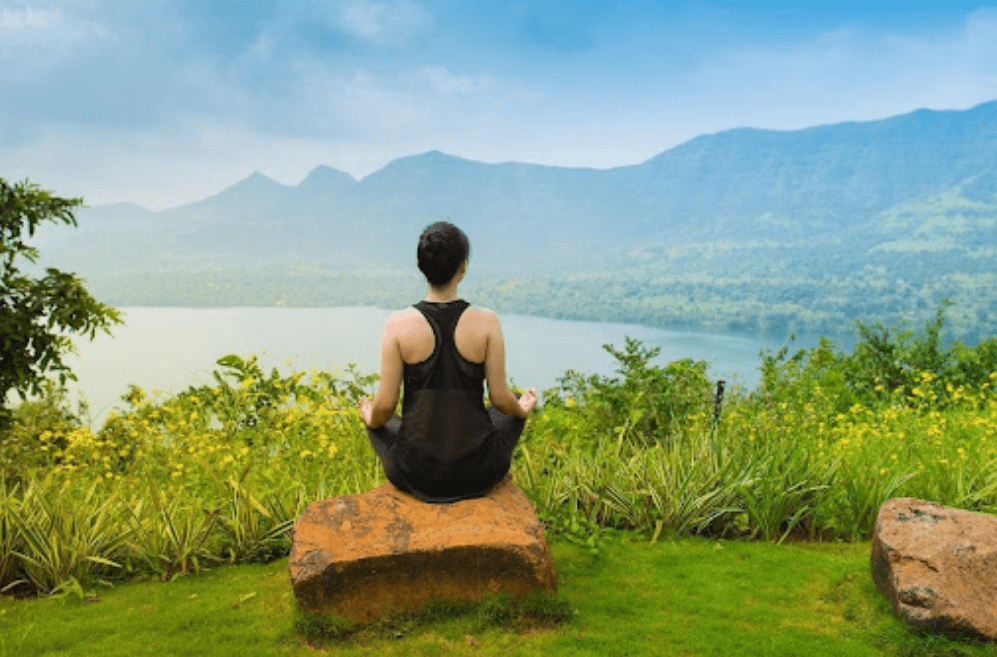
You’ll find an impressive variety of meditation styles at Indian retreats. Each has its own flavor, intent, and benefits. Some focus on quieting the mind, while others aim at healing, insight, or self-realization.
- Vipassana Meditation: This ancient practice teaches observation without judgment. Participants often stay silent for ten days, learning to watch thoughts, feelings, and body sensations. Vipassana centers, such as those run by Dhamma.org, can be found across India.
- Yoga Nidra: Known as “yogic sleep,” this guided meditation deeply relaxes body and mind. It’s common at yoga and healing centers.
- Transcendental Meditation (TM): Popularized by Maharishi Mahesh Yogi, TM uses a repeated mantra to draw the mind inward. Many ashrams offer certification courses.
- Kundalini Meditation: Awakening latent energy is the goal here. Through a blend of breath, sound, and movement, practitioners find clarity and vigor.
- Zen and Buddhist Meditation: Mindfulness and breath-based practices rooted in Buddhist teachings flourish in places like Dharamshala and Bodh Gaya.
- Guided Visualization: Especially popular with beginners, these meditations use stories or images for relaxation and focus.
How to Choose the Right Meditation Retreat for Your Soul’s Journey

Not all retreats fit everyone. Finding the right one means looking inward and being honest about your needs. Ask yourself: do you want deep silence or group connection? Are you seeking comfort or a rustic, off-grid spot?
- Your Experience Level: Beginners may want introductory programs with guidance, while experienced meditators might enjoy silent retreats or advanced teachings.
- Retreat Length: Options range from a weekend to several months. Ten-day courses are common, especially for Vipassana.
- Teaching Style: Some places follow strict traditions (like Buddhist or yogic lineages). Others take a modern, mixed approach.
- Location and Ambience: Do you dream of meditating by the river Ganga, or in the mountains of Himachal Pradesh? Urban centers like Pune offer convenience, while Kerala’s backwaters promise peace.
- Cost and Comfort: Decide if you’re seeking luxury or willing to go simple, even living in shared rooms or dormitories.
- Languages Offered: Many international centers in India teach in English. Some local ashrams use Hindi or regional languages.
- Reviews and Reputation: Check testimonials, Google reviews, and the retreat’s history. Ask about the credentials of teachers like Sri Sri Ravi Shankar or Sadhguru, who are well-known for their global ashrams and accessible teachings.
The Magic of Vipassana: Silent Meditation Retreats for Deep Transformation
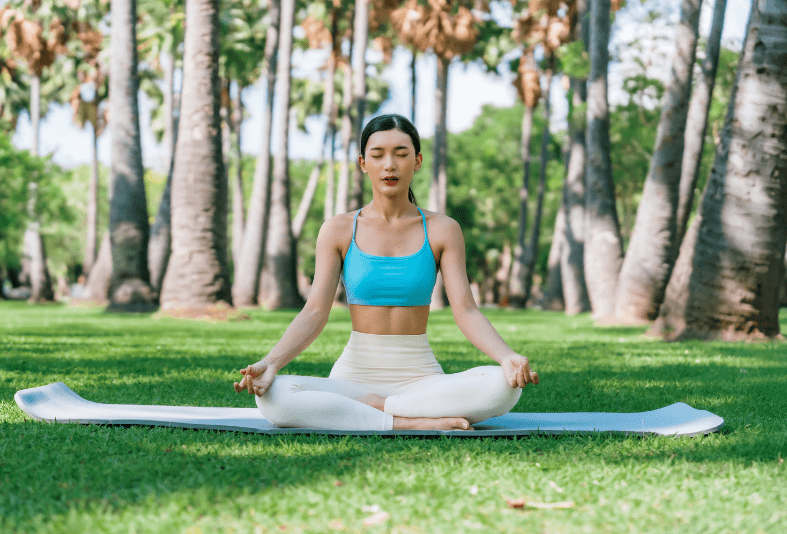
Vipassana is one of the most respected meditation traditions in India. The word means “to see things as they really are.” These retreats test your patience and resolve but promise lasting results.
At places like Dhamma Giri in Igatpuri or Sayagyi U Ba Khin centers, you observe a strict code. Noble silence is the rule—no talking, reading, or using devices. You wake before sunrise and spend hours sitting, observing your breath or bodily sensations. Meals are simple. The idea is to strip away distractions and meet your true self.
Many participants report breakthroughs—some joyful, some tough. Moments of insight, tears, laughter, and peace are common. Even after the retreat, people find their minds quieter and their reactions gentler. No one is allowed to leave mid-course, and all teachings are donation-based, which is a unique feature upholding the spirit of service.
Retreating Amidst Nature: Himalayan Meditation Retreats for Mountain Serenity
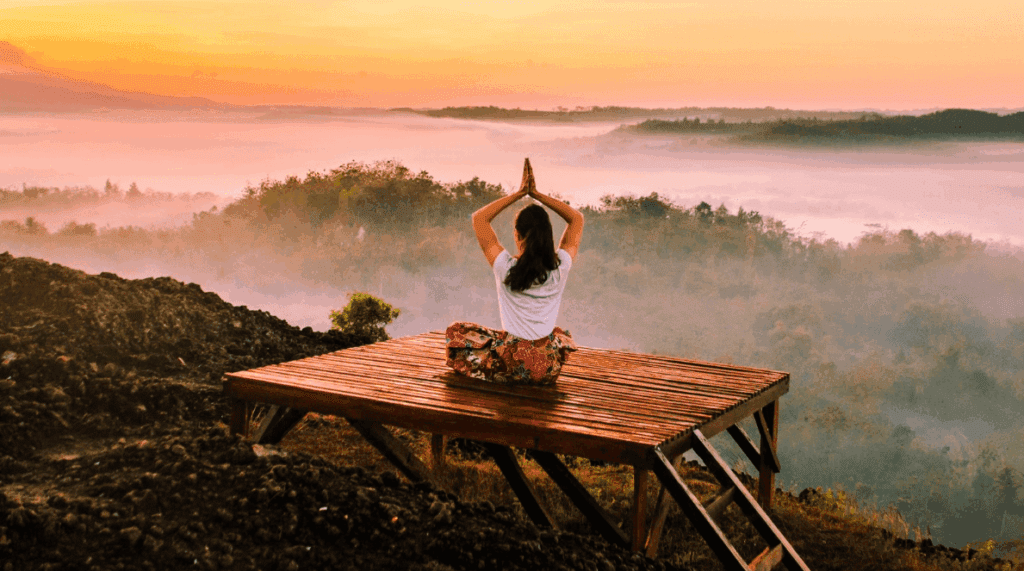
The Himalayas are more than just mountains—they are symbols of strength and peace. Meditation retreats in Uttarakhand, Himachal Pradesh, and Sikkim let you soak in breathtaking vistas. Surrounded by snow-capped peaks or lush pine forests, the air itself feels purer.
Centers like Ananda in the Himalayas, Tushita Meditation Centre, and Swami Rama Sadhaka Grama take full advantage of nature’s silence. Morning meditations overlook sunrises that streak the sky with gold and rose. Walking or outdoor mindfulness sessions help you root your practice in the real world.
The presence of rivers like the Ganga adds another layer of calm. Some centers offer “mindful hiking,” blending movement with observation. Hot herbal tea, fresh mountain produce, and fireside group sharing create a sense of family. Meditation here is not just about sitting—it’s about feeling deeply alive in the heart of nature. Wellness and Mindfulness: Yoga & Meditation Retreats in Rishikesh
Wellness and Mindfulness: Yoga & Meditation Retreats in Rishikesh

Rishikesh is often called the yoga capital of the world. It sits on the banks of the sacred Ganges River, framed by forested hills. Many people come here to deepen both their yoga and meditation practice. Retreats range from spiritual ashrams to modern wellness resorts.
Global brands like Parmarth Niketan and Sivananda Ashram offer signature yoga retreats, daily meditation, and even Ayurveda therapies. You can join sunrise group meditations on the ghats, take kirtan classes, or receive private instruction. Organic food, river walks, and local music add color and joy.
Mindfulness classes are at the heart of these programs. Here, you’ll find meditation woven into morning yoga, meal times, and even during walks in the gardens. Many centers hold “yoga teacher training” (YTT) courses, but you don’t need to be a teacher to benefit.
Embracing Zen: Buddhist Meditation Retreats in Dharamshala and Bodh Gaya
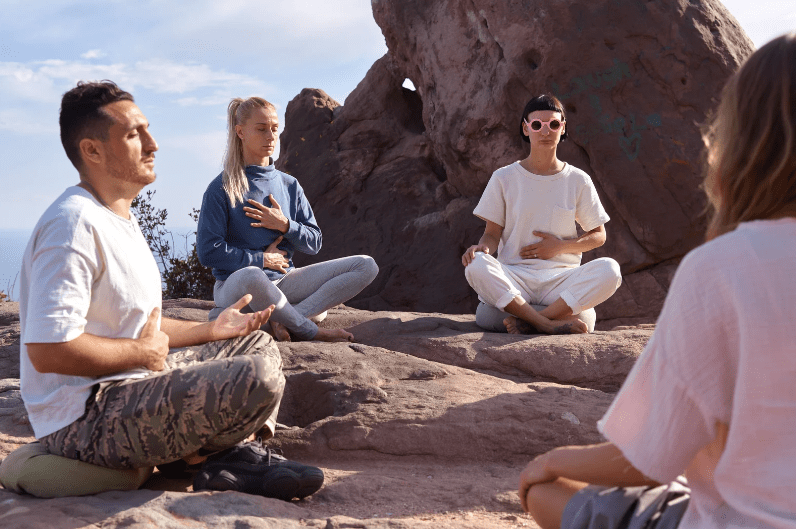
For lovers of mindfulness or anyone interested in Buddhism, Dharamshala and Bodh Gaya are must-visit. Dharamshala, home of the Dalai Lama, is known for its peaceful monasteries and lush cedar forests. Here, you can join Tibetan monks in daily meditation, join Vipassana or Zen meditation retreats at Tushita, or learn about Tibetan Buddhist philosophy at Namgyal Monastery.
Bodh Gaya stands as the birthplace of enlightenment. This small town in Bihar is where Buddha attained awakening under the Bodhi Tree. Meditation centers and monasteries here host practitioners from across Asia and beyond. Retreats offer guided mindfulness, loving-kindness meditations, and Dharma talks.
It’s common for beginners and longtime Buddhists to mingle together. You might make friends from countries like Japan, France, or Thailand. Ceremony, chanting, and even mindful eating are woven into daily life. Many visitors return year after year, drawn by the calm and deep wisdom these places offer.
Ashrams of Wisdom: Discovering Gurus and Spiritual Masters

Not all meditation is a solo journey. Many centers in India are led by respected gurus or “spiritual masters.” These teachers blend ancient knowledge with practical tips for daily life.
The Art of Living International Center near Bangalore, led by Sri Sri Ravi Shankar, is well-known for meditation sessions and breathwork. Sadhguru’s Isha Foundation in Coimbatore offers Inner Engineering, a blend of meditation, yoga, and insight.
Some ashrams stress personal guidance and require applications or interviews. Others are open to all. You may have chances to ask questions, receive blessings, or participate in group satsangs (spiritual talks). Life stories, spiritual humor, and simple, powerful practices flow in these centers. Even a short visit can shift your mindset in surprising ways.
Guests often share that the real magic lies in the presence of these masters, wise, loving, and practical. Whether or not you consider yourself religious, the experience can help you see your own life with fresh eyes, free of dogma or pressure.
Conclusion: Your Path to Inner Peace Begins Here
Embarking on a meditation retreat in India offers more than just a break from daily life—it’s an opportunity for profound personal transformation. Whether you seek serenity in the Himalayas, spiritual depth in Bodh Gaya, or rejuvenation in Kerala, India’s diverse retreats cater to every need. From Vipassana’s silent introspection to the dynamic practices of Kundalini and Yoga Nidra, each retreat provides a unique path to self-discovery.
Choosing the right retreat involves considering your personal goals, preferred meditation style, and the environment that resonates with you. Whether you’re a beginner or an experienced practitioner, India’s retreats offer a sanctuary to reconnect with yourself and find lasting peace.
Take the first step towards transformation by exploring the variety of meditation retreats available. Each journey is a step closer to inner harmony and spiritual growth.
1. What are the best meditation retreats in India for beginners?
The best meditation retreats in India for beginners focus on guided sessions, calm surroundings, and simple routines. Popular places include Rishikesh, Dharamshala, and Kerala. These retreats provide daily meditation, yoga, and healthy meals, making it easy for first-timers to learn mindfulness and relax deeply.
2. How much do meditation retreats in India typically cost?
Meditation retreats in India usually range from $100 to $500 per week. Prices depend on location, accommodation type, and included programs. Many retreats in Rishikesh and Kerala offer budget-friendly options, while luxury centers provide private rooms, spa sessions, and extended courses for a higher price.
3. What is included in meditation retreats in India?
Meditation retreats in India often include daily guided meditation, yoga classes, vegetarian meals, and spiritual workshops. Some also offer nature walks, Ayurvedic treatments, and lectures on mindfulness. Retreats in Rishikesh and Dharamshala are especially known for combining meditation with local culture and scenic landscapes.
4. When is the best time to visit meditation retreats in India?
The best time to visit meditation retreats in India is during the cooler months from October to March. The weather is pleasant in regions like Rishikesh, Dharamshala, and Kerala. Avoid the monsoon season in southern India, as heavy rains can disrupt outdoor meditation sessions and travel plans.
5. Can meditation retreats in India help reduce stress?
Yes, meditation retreats in India help reduce stress by teaching mindfulness, breathing exercises, and relaxation techniques. Daily guided meditation and yoga sessions improve mental clarity and calm the mind. Many visitors report better sleep, lower anxiety, and a refreshed state of mind after a retreat.
6. Are meditation retreats in India suitable for solo travelers?
Meditation retreats in India are very suitable for solo travelers. Retreats provide a safe and supportive environment with group meditation and activities. Locations like Rishikesh, Dharamshala, and Kerala offer community meals and workshops, helping solo visitors meet like-minded people and find inner peace.
7. What should I pack for a meditation retreat in India?
Pack comfortable clothes, yoga mats, water bottles, and light jackets for meditation retreats in India. Include personal toiletries, meditation cushions, and reusable items. In cooler regions like Dharamshala, bring warm clothing. Lightweight, breathable fabrics work best in Kerala and Rishikesh.
8. How long do meditation retreats in India usually last?
Meditation retreats in India usually last from 3 days to 4 weeks. Short retreats offer introductory meditation and relaxation, while longer retreats provide deep practice, yoga, and mindfulness training. Locations like Rishikesh and Kerala cater to both beginners and experienced meditators.
9. Can children attend meditation retreats in India?
Some meditation retreats in India welcome children, especially family-friendly centers in Rishikesh and Kerala. They offer kid-friendly meditation sessions, nature walks, and creative activities. Programs focus on teaching mindfulness, patience, and calm behavior in a safe environment.
10. Do meditation retreats in India offer vegetarian meals?
Yes, most meditation retreats in India offer vegetarian meals. These meals are healthy, balanced, and often prepared with local ingredients. Retreats in Rishikesh and Kerala serve sattvic food that complements meditation, detoxifies the body, and supports overall wellness.
11. Are meditation retreats in India safe for first-timers?
Meditation retreats in India are safe for first-timers. Staff guide you through meditation, yoga, and daily routines. Popular locations like Rishikesh, Dharamshala, and Kerala provide clean accommodations and supportive communities, ensuring a comfortable and secure experience.
12. Can meditation retreats in India help with anxiety?
Yes, meditation retreats in India can help with anxiety. Daily mindfulness practice, deep breathing, and guided meditation calm the nervous system. Retreats in Rishikesh and Kerala combine yoga, nature, and spiritual practices to reduce stress and promote mental clarity.
13. Do I need prior meditation experience to join retreats in India?
No prior experience is needed for meditation retreats in India. Beginner-friendly retreats in Rishikesh, Dharamshala, and Kerala offer step-by-step guidance, yoga sessions, and workshops that introduce meditation techniques gradually and clearly.
14. How do I choose the right meditation retreat in India?
Choose a meditation retreat in India based on location, program style, accommodation, and budget. Research Rishikesh, Dharamshala, or Kerala retreats, read reviews, and check if the schedule matches your experience level and wellness goals.
15. Can meditation retreats in India improve sleep quality?
Yes, meditation retreats in India can improve sleep quality. Daily meditation, mindfulness exercises, and yoga relax the mind and body. Retreats in serene locations like Rishikesh and Kerala help establish a peaceful routine, reducing insomnia and promoting restorative sleep.
16. Are meditation retreats in India suitable for digital detox?
Meditation retreats in India are ideal for a digital detox. Many centers encourage minimal phone use and focus on mindfulness, yoga, and nature walks. Locations like Dharamshala and Rishikesh provide quiet environments free from distractions for mental clarity.
17. Can I practice yoga alongside meditation in India retreats?
Yes, most meditation retreats in India combine yoga with meditation. Daily yoga sessions improve flexibility, strength, and breath control. Retreats in Rishikesh, Kerala, and Dharamshala provide guided yoga classes tailored to complement meditation practice.
18. Are meditation retreats in India affordable for budget travelers?
Meditation retreats in India are affordable for budget travelers. Many retreats in Rishikesh and Kerala offer dorms, simple meals, and group sessions at low cost. Budget-friendly retreats provide a quality meditation experience without expensive amenities.
19. How do meditation retreats in India handle accommodations?
Meditation retreats in India offer simple, clean, and comfortable accommodations. Options include shared rooms, private cottages, or eco-friendly huts. Popular retreats in Rishikesh and Kerala provide cozy spaces that support rest, meditation, and relaxation.
20. Can meditation retreats in India support spiritual growth?
Yes, meditation retreats in India support spiritual growth through guided meditation, mindfulness, yoga, and teachings from experienced instructors. Retreats in Rishikesh, Dharamshala, and Kerala help deepen self-awareness and foster inner peace and clarity.